


Restore Your Smile and Your Confidence
Damaged or missing teeth can affect much more than your appearance. They can make it difficult to chew comfortably, speak clearly, and feel confident in everyday situations. Untreated dental problems may also lead to additional damage, infection, shifting teeth, or changes to your bite.
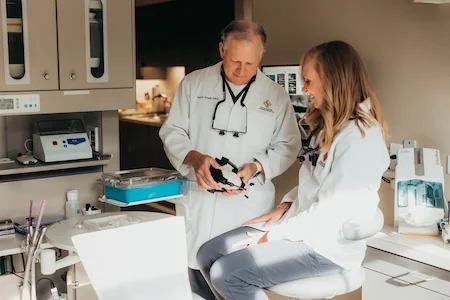
At Schaefer Advanced Dentistry, Dr. David Schaefer and Dr. Anna Malone provide personalized restorative dentistry to help patients regain the health, comfort, function, and appearance of their smiles.
Using advanced dental technology, modern materials, and gentle techniques, our team will create a treatment plan based on your oral health, lifestyle, and goals. Whether you need to repair one damaged tooth or rebuild several areas of your smile, we are here to help you feel comfortable and confident throughout the process.
What Is Restorative Dentistry?
Restorative dentistry focuses on repairing damaged teeth, replacing missing teeth, and restoring normal oral function. Treatment can range from a simple filling or crown to a more comprehensive plan involving dental implants, bridges, or multiple restorations.
The goal is not only to improve how your smile looks, but also to protect your remaining teeth and make everyday activities such as eating and speaking more comfortable.
Restorative treatment may be recommended if you have:
- Cracked, chipped, or broken teeth
- Teeth weakened by large fillings or decay
- Missing teeth or spaces in your smile
- Worn or uneven teeth
- Dental infections or persistent tooth pain
- Loose or poorly fitting restorations
- Difficulty chewing certain foods
Why Choose Restorative Dentistry?
Improve Comfort and Function
Repairing damaged teeth and replacing missing teeth can make it easier to bite, chew, speak, and smile comfortably. Restorative treatment may also help distribute biting pressure more evenly throughout your mouth.
Protect Your Remaining Teeth
A damaged or missing tooth can place additional stress on nearby teeth. Restoring the area may help prevent further fractures, shifting, excessive wear, and other complications.
Achieve Natural-Looking Results
Modern restorative materials are designed to closely match the color, shape, and appearance of natural teeth. Your restoration will be customized to complement your smile while providing dependable function.
Support Long-Term Oral Health
Addressing decay, infection, damaged teeth, and tooth loss can help protect your gums, jawbone, bite, and overall oral health. Early treatment may also prevent the need for more extensive procedures later.
Restore Confidence
When your teeth feel strong and your smile looks complete, it can be easier to speak, laugh, eat, and participate confidently in social and professional situations.
Restorative Dental Treatments We Offer
During your consultation, Dr. Schaefer and Dr. Malone will examine your teeth and gums, review your concerns, and explain the treatments that may be appropriate for your needs.
Tooth-Colored Fillings
Tooth-colored fillings repair areas affected by cavities or minor damage. The composite material is selected to blend with your natural tooth color, providing a durable and discreet restoration.
Root Canal Therapy
When the soft tissue inside a tooth becomes infected or inflamed, root canal therapy may be used to remove the infection and preserve the natural tooth. After treatment, the tooth is typically restored with a filling or crown for added protection.
Learn more about root canal therapy.
Dental Crowns
A dental crown covers and protects a tooth that has been weakened by decay, a large filling, fracture, wear, or root canal treatment. Each crown is customized to restore the tooth’s shape, strength, and appearance.
Learn more about dental crowns.
Dental Bridges
A dental bridge replaces one or more missing teeth by placing an artificial tooth between supporting teeth or dental implants. Bridges can restore the appearance of your smile and help prevent nearby teeth from shifting into the open space.
Learn more about dental bridges.
Dental Implants
Dental implants replace missing tooth roots with small titanium posts placed in the jawbone. The implants can support individual crowns, bridges, or implant-supported dentures for a secure and natural-looking result.
Learn more about dental implants.
Dentures and Partial Dentures
Dentures can replace multiple missing teeth or an entire arch of teeth. Depending on your needs, we may recommend a full denture, partial denture, or implant-supported restoration to improve stability and function.
Full-Mouth Rehabilitation
Patients with several damaged, worn, or missing teeth may benefit from a comprehensive restorative treatment plan. Full-mouth rehabilitation combines carefully selected procedures to improve your bite, oral health, comfort, and smile.
Which Tooth-Replacement Option Is Right for You?
There is no single tooth-replacement option that is right for every patient. The best treatment will depend on the number of missing teeth, the health of your gums and jawbone, your preferences, and your budget.
Possible options may include:
- Dental implants for a stable, long-term replacement
- Dental bridges for a fixed replacement supported by nearby teeth or implants
- Partial dentures for replacing several missing teeth
- Full dentures for replacing an entire arch of teeth
We will explain the advantages, limitations, timeline, and maintenance requirements of each option so you can make an informed decision.
What to Expect During Your Restorative Consultation
Your consultation begins with a careful evaluation of your teeth, gums, bite, and existing dental work. We will also discuss any pain, sensitivity, difficulty chewing, or cosmetic concerns you may be experiencing.
Your visit may include:
- A comprehensive dental examination
- Digital X-rays or advanced imaging when needed
- An evaluation of damaged or missing teeth
- A review of your medical and dental history
- A discussion of your treatment goals
- An explanation of available restorative options
- A personalized treatment plan and cost estimate
If several procedures are needed, we will organize your treatment into manageable stages and explain the recommended order of care.
Advanced Technology for Precise Restorative Care
Advanced dental technology helps our doctors diagnose problems, plan treatment, and create restorations with greater accuracy. Digital imaging can provide detailed information about your teeth, roots, jawbone, and surrounding structures while helping us make treatment more efficient and predictable.
When dental implants are recommended, three-dimensional imaging may be used to evaluate your anatomy and carefully plan implant placement.
Caring for Your Restored Smile
Proper care can help your restorations and natural teeth remain healthy for many years. Although crowns, bridges, implants, and fillings are made from durable materials, the surrounding teeth and gums still require consistent maintenance.
We generally recommend:
- Brushing thoroughly at least twice each day
- Flossing and cleaning around restorations daily
- Attending regular dental examinations and cleanings
- Avoiding chewing ice or other very hard objects
- Wearing a nightguard if you grind or clench your teeth
- Contacting our office if a restoration feels loose or uncomfortable
Explore Real Restorative Dentistry Results
Our smile gallery includes examples of restorative treatment completed for real patients. These photographs can help you better understand how crowns, bridges, implants, and other treatments may improve a damaged or incomplete smile.
Frequently Asked Questions About Restorative Dentistry
How do I know if I need restorative treatment?
You may need restorative care if you have tooth pain, visible damage, decay, missing teeth, difficulty chewing, or a loose restoration. A dental examination is the best way to identify the cause and determine the appropriate treatment.
Will my restoration look natural?
Yes. Crowns, bridges, fillings, and implant restorations are customized to complement the color, size, and shape of your surrounding teeth. Our goal is to restore function while maintaining a natural appearance.
Is restorative dentistry painful?
We use local anesthesia and gentle techniques to help keep you comfortable during treatment. The level of soreness afterward depends on the procedure, and our team will provide detailed recovery instructions.
How long do dental restorations last?
The lifespan of a restoration depends on its type, location, oral hygiene, diet, bite forces, and regular professional care. With proper maintenance, many restorations can provide reliable service for years.
Can several damaged teeth be repaired together?
Yes. If you have multiple dental concerns, we can create a comprehensive treatment plan that addresses each area in the proper sequence. Treatment may be divided into stages based on your priorities and needs.
What happens if I delay treatment?
Dental problems usually become more complicated over time. A small area of decay may grow, a cracked tooth may fracture further, and missing teeth may contribute to shifting or bone loss. Prompt treatment may help preserve more of your natural tooth structure.
Does insurance cover restorative dentistry?
Many dental insurance plans provide partial coverage for medically necessary restorative treatment, although coverage varies by plan and procedure. Our team can help you understand your benefits and review available financial options.
Restore Your Smile with Restorative Dentistry in Louisville, KY
You do not have to continue living with painful, damaged, or missing teeth. At Schaefer Advanced Dentistry, Dr. Schaefer, Dr. Malone, and our experienced team provide personalized restorative dentistry to help patients throughout Louisville regain strong, comfortable, and confident smiles.
We will listen to your concerns, explain your treatment options, and develop a plan designed around your health, comfort, and long-term goals.


